Filosofee
Sales in the first month, local and international, then a 20-unit bulk order from another brand. A clothing brand built end to end: product, store, payments, photography.
Filosofee is a South African streetwear label. I designed the range, built the store, wired the payments, ran the shoot and the marketing. It sold in its first month and then landed its first wholesale order. One line of it failed, and that is in here too.
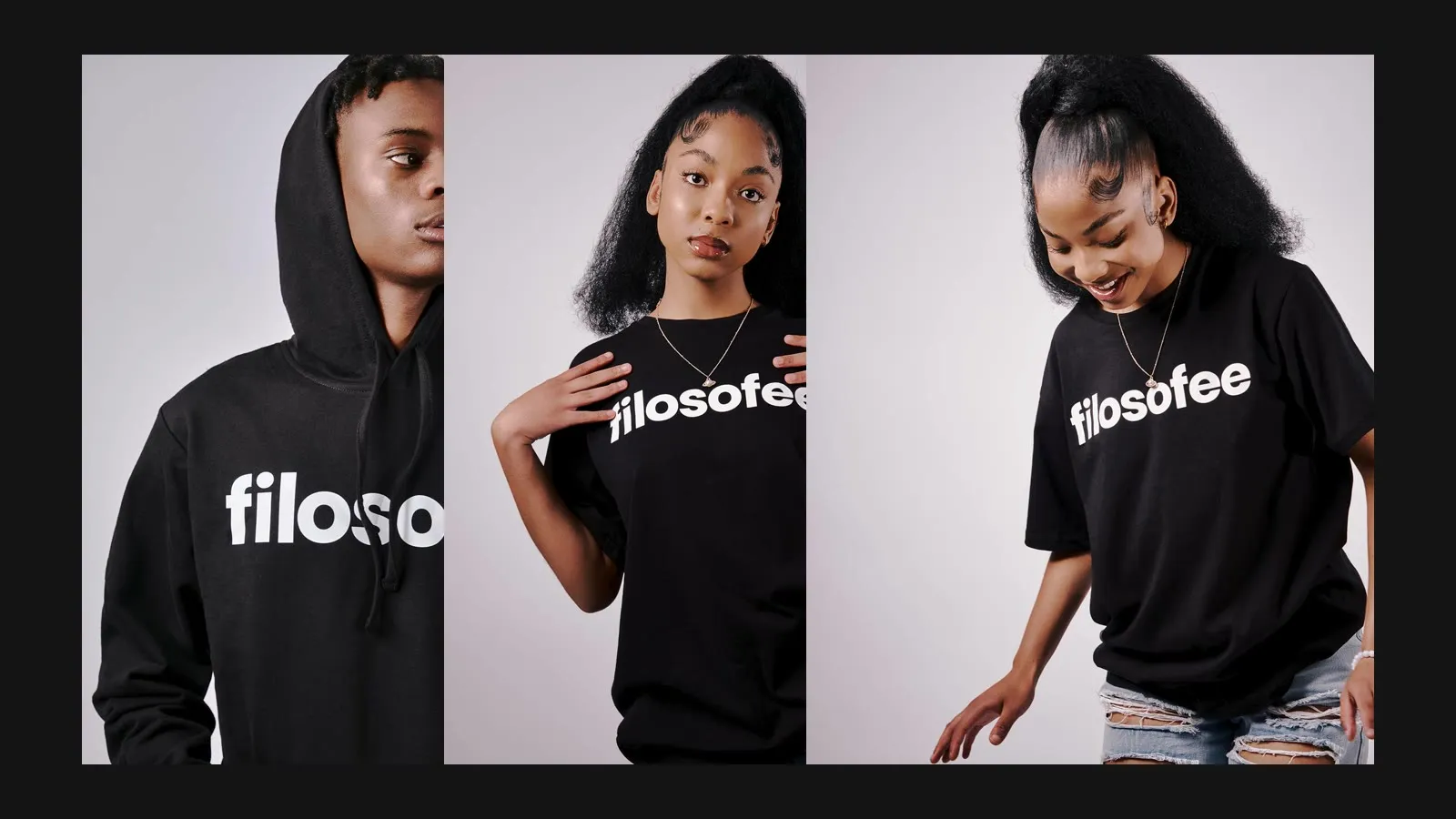
The whole thing, not a piece of it
Filosofee started as a graphic tee brand and grew into apparel, packaging and a store. I did the range, the store, the payment gateways, the photography and the marketing. Most people who can design a shirt cannot take a card payment; most who can build a store have never priced a garment.
Paystack for local cards, PayPal for everyone else, because a South African brand that cannot take an international payment is a local brand whether it wants to be or not.
The store
Homepage through category to product, as it ships.
What validated it
A brand is an opinion until somebody pays for it. Two things settled the question.
- Month one
- First salesLocal and international, from the store rather than from friends.
- 20 units
- First bulk orderThrifty Adventures, designed and produced as their branded apparel.
- 2
- Revenue lines it provedDirect-to-consumer, and business-to-business off the same production setup.
Order volumes are small and reported as such. This is validation, not a trading record. The point of the bulk order is not its size but that it came from a different kind of buyer through the same product, the same suppliers and the same fulfilment.
The order that changed the business
A tour operator needed branded apparel. Filosofee designed and produced it: twenty units, the first wholesale order the brand had taken.
One order does not make a wholesale business. What it proved is that the same setup serves a better kind of customer with nothing changed. B2B buys more per order and comes back on a schedule. The consumer store is the shop window; the print run is the margin.
A shoot you pay for once
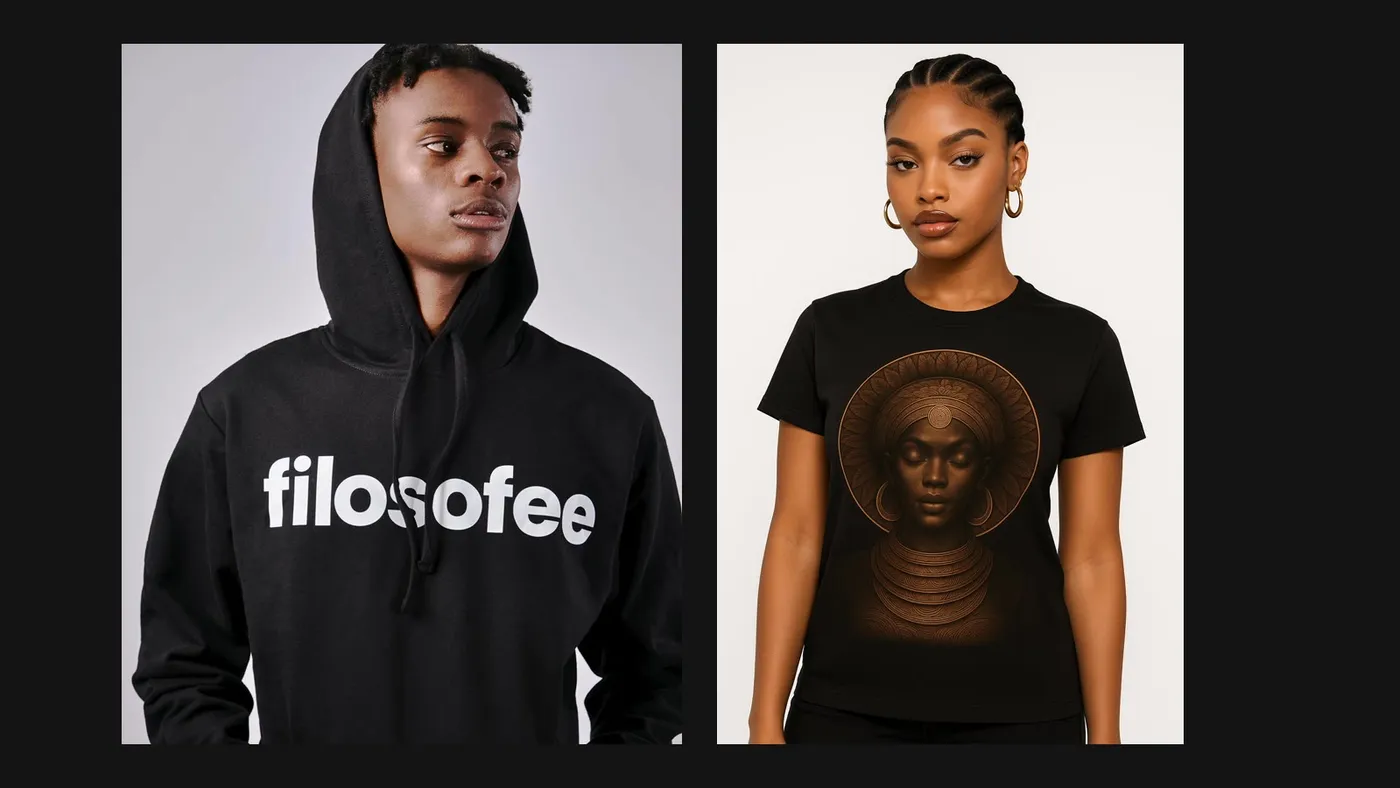
The product shoot was the most expensive line in the brand's first year, and produced the best assets Filosofee has. So it became the reference rather than the whole library.
The shoot fixes what the brand looks like. Generated imagery extends it into the volume social needs, matched to that look. Real work sets the standard; AI runs at the pace of a content calendar.
Photographed, then extended
Left: the studio shoot. Right: generated, working from it. Same brand, one of them costing a day and a crew.
The line I stopped
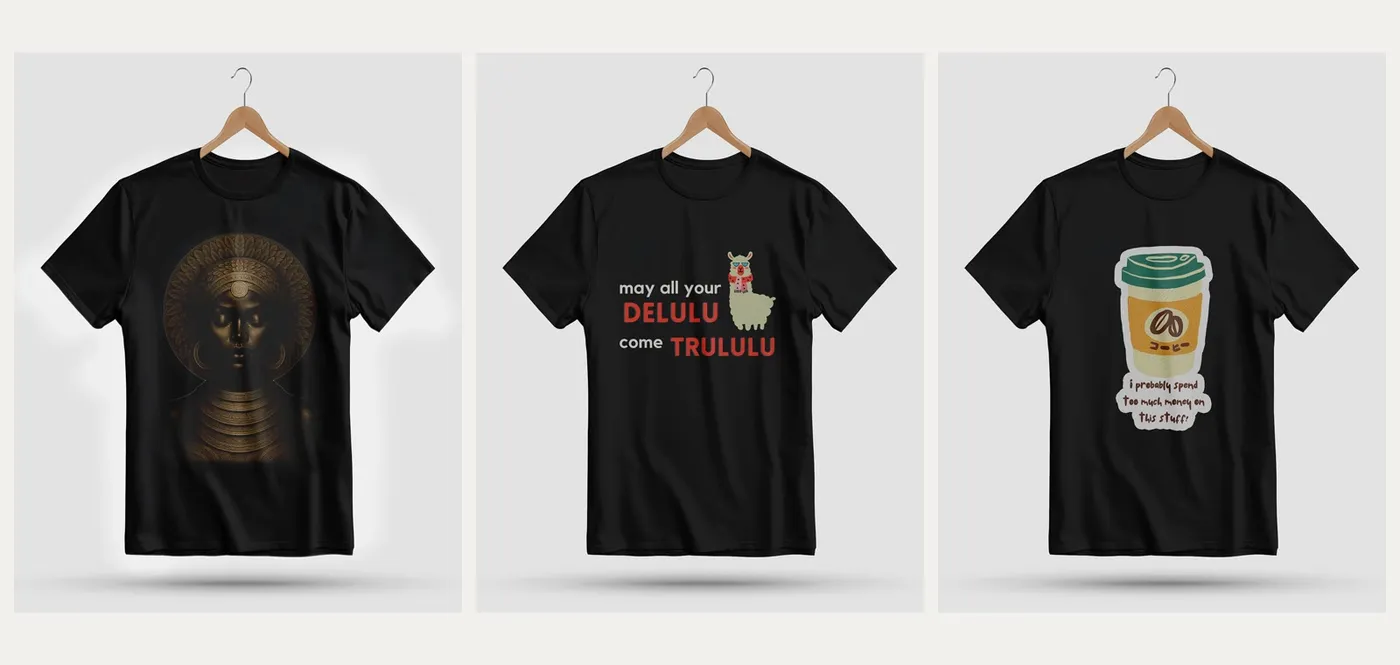
Filosofee sold stickers alongside the apparel. Designed, produced, listed, packed, and I ended them.
A sticker order carries the same admin as a hoodie order, the payment, pick, pack, label and courier, against a fraction of the value. Killing it was worth more than the revenue it made: the same effort moved to garments and wholesale earns several times as much.