InSpiritInTruth
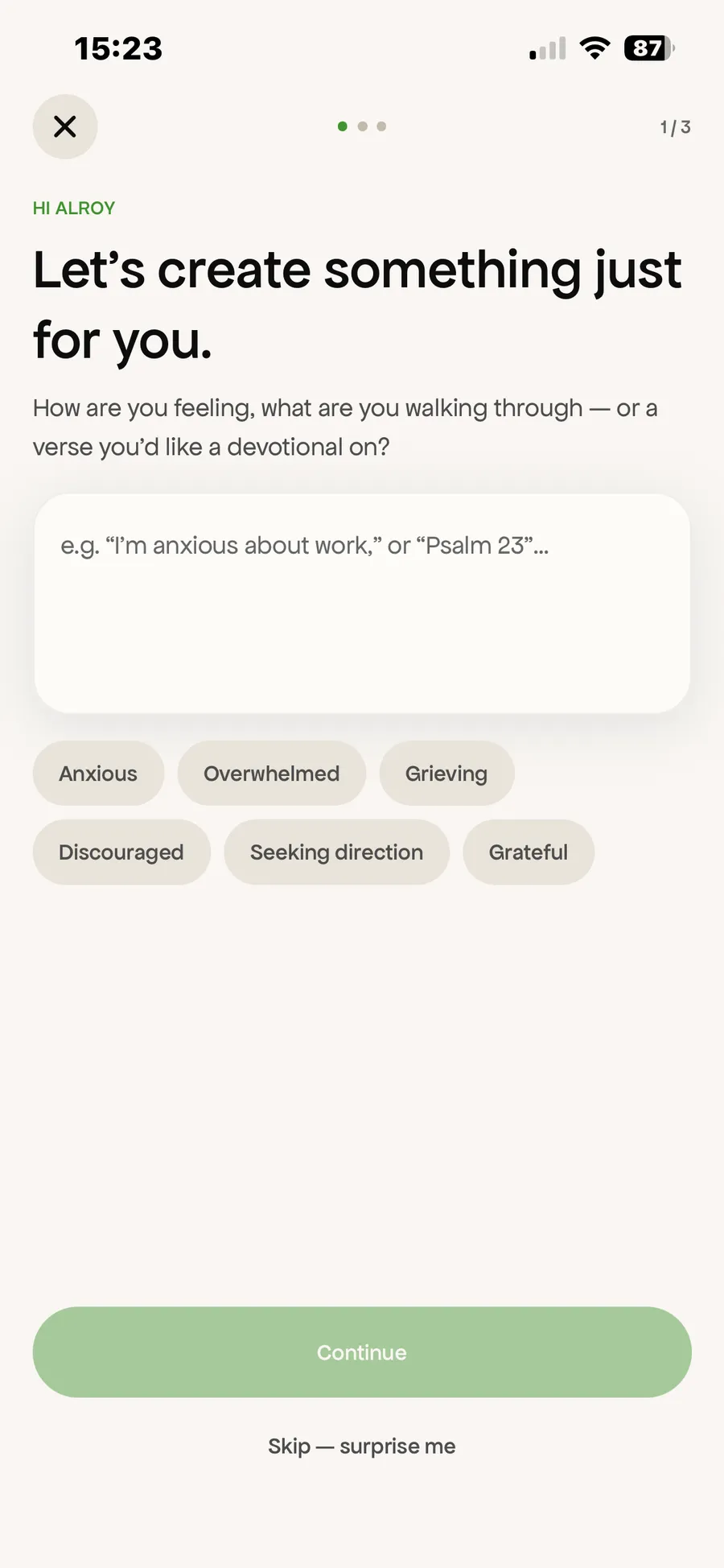
56% of Christians say their spiritual life is entirely private. InSpiritInTruth is a devotional app for people who want a more personal faith: one written for what you are carrying today, engineered so it can never quietly misquote scripture.
For imperfect journeys: the overwhelmed, the curious, the unchurched, the devoted. Not built to replace tradition, but to keep its shared rhythm and add the personal side the format never had.
A format that never changed
Faith is learned together: same readings, same routines, same page for everyone. Yet Barna finds 56% of Christians say their spiritual life is entirely private. The communal side is well resourced. The private side, where most of it happens, gets a template.
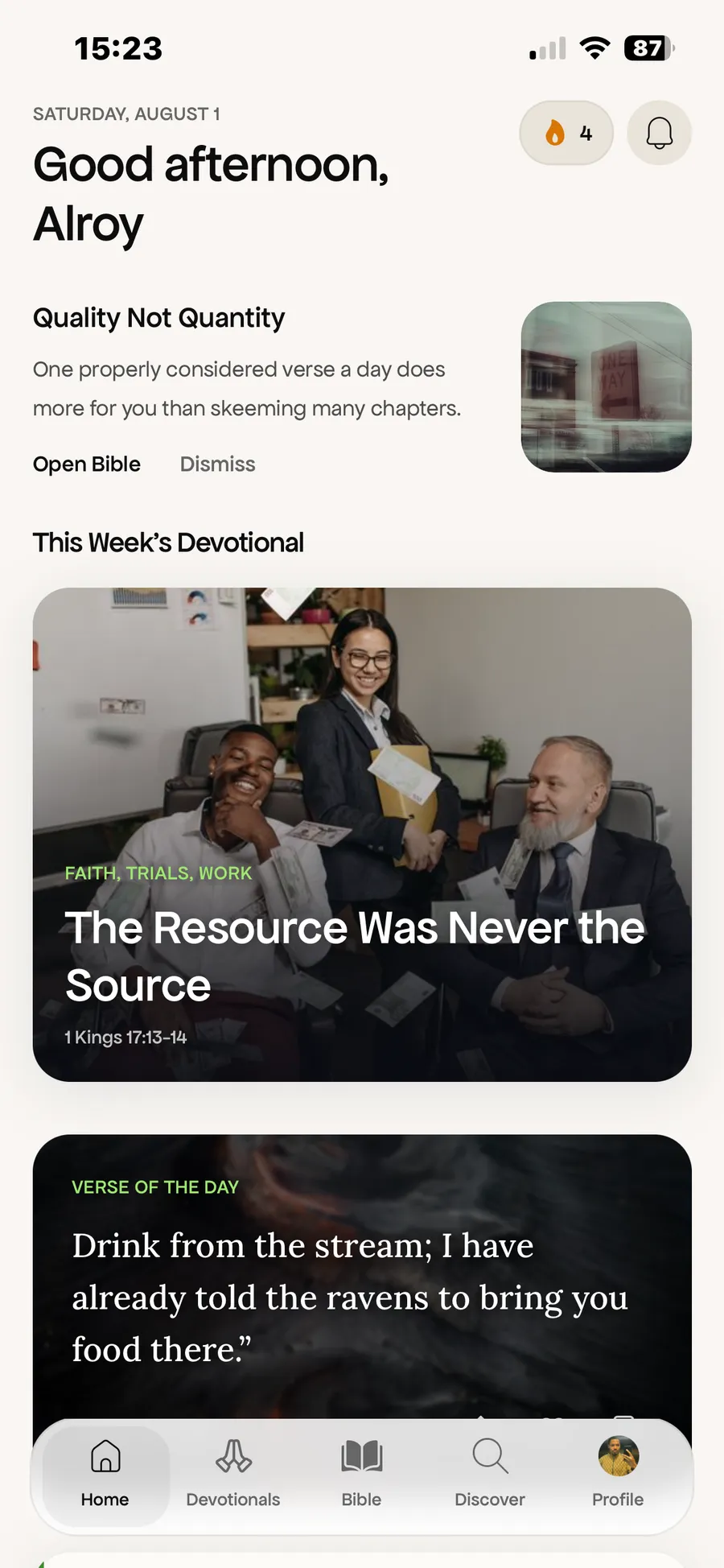
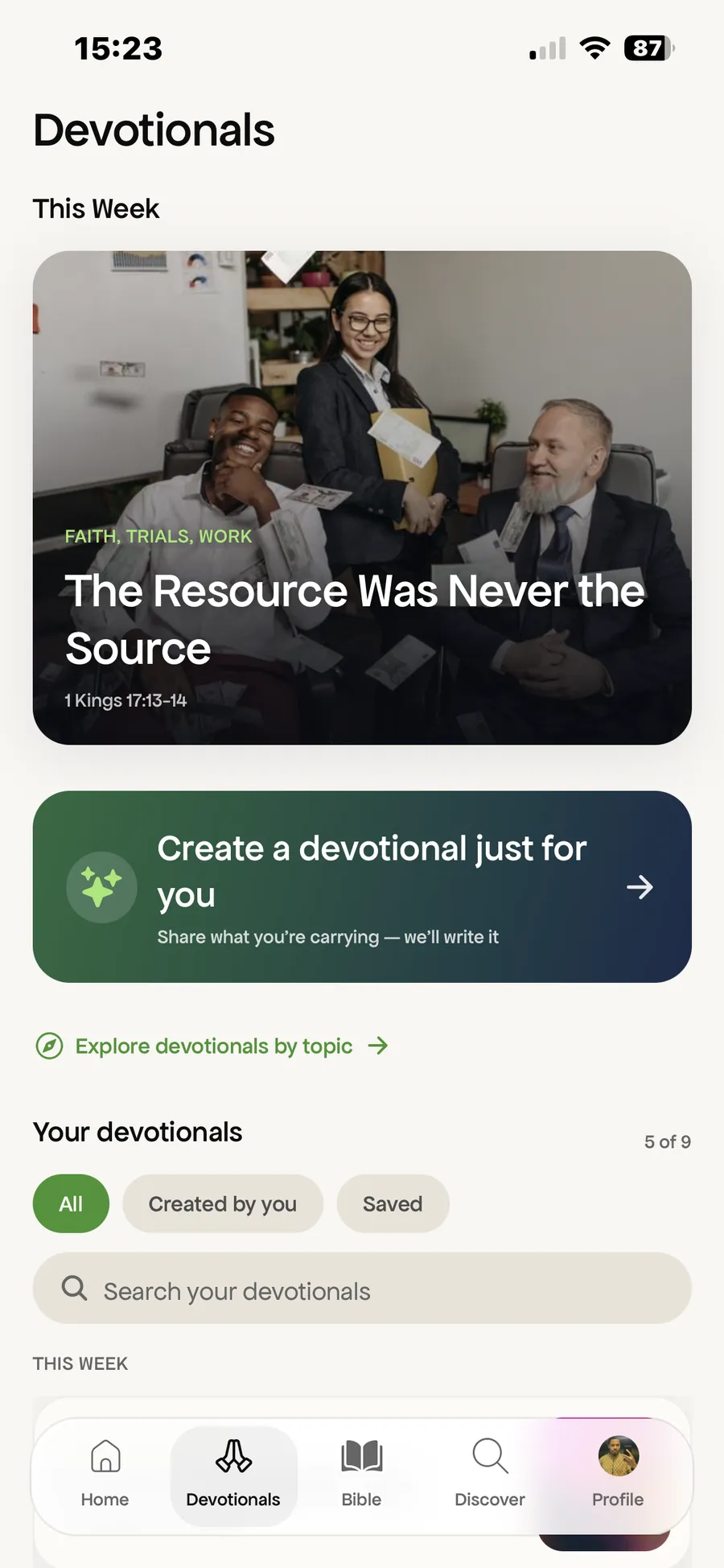
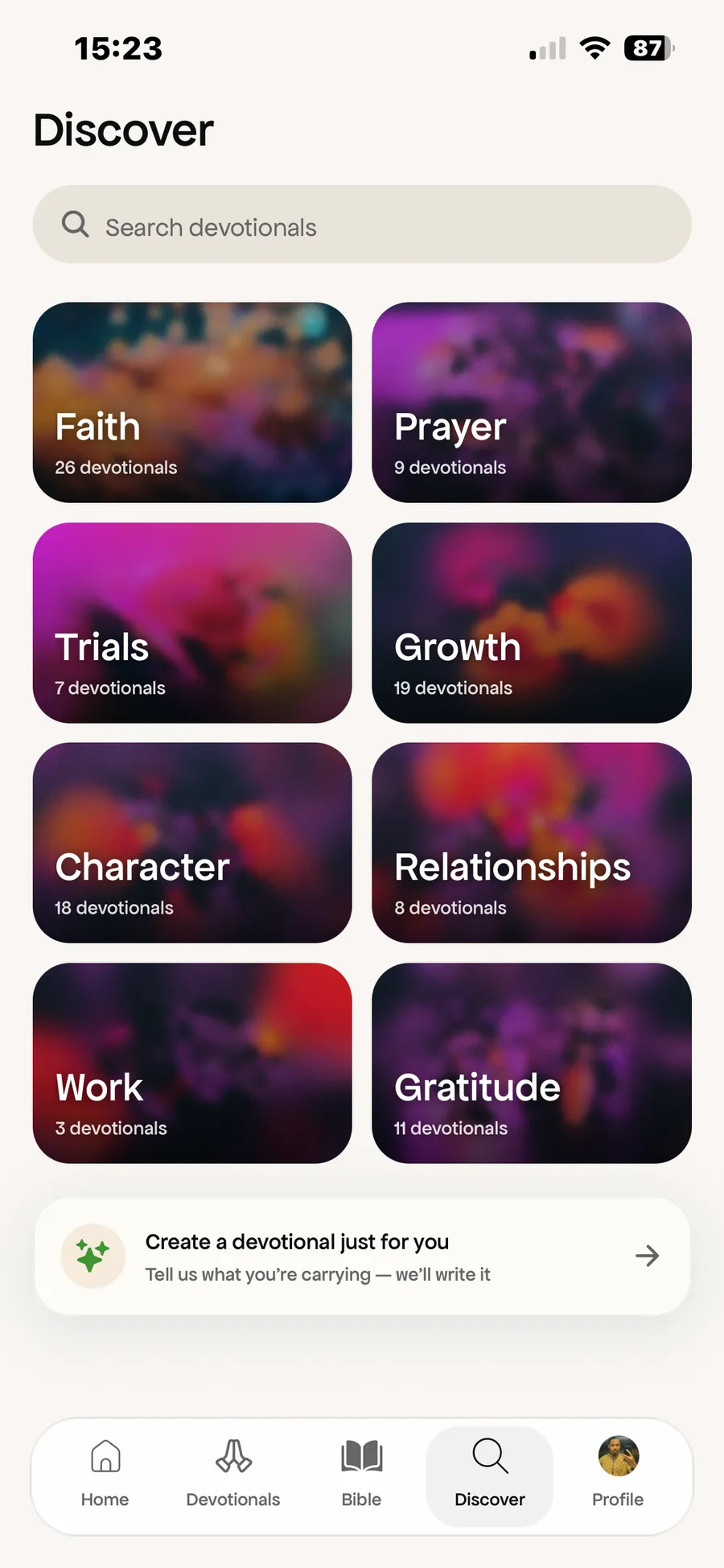
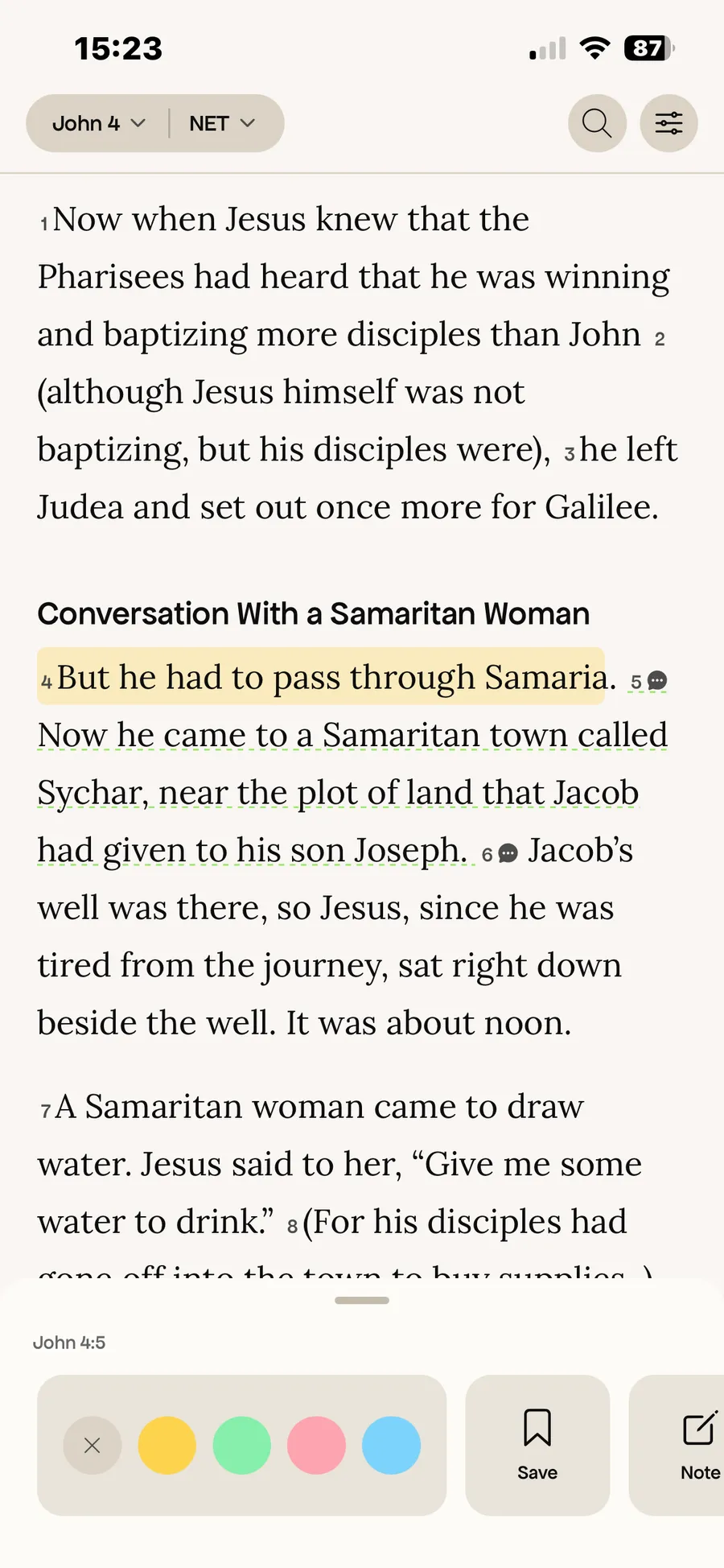
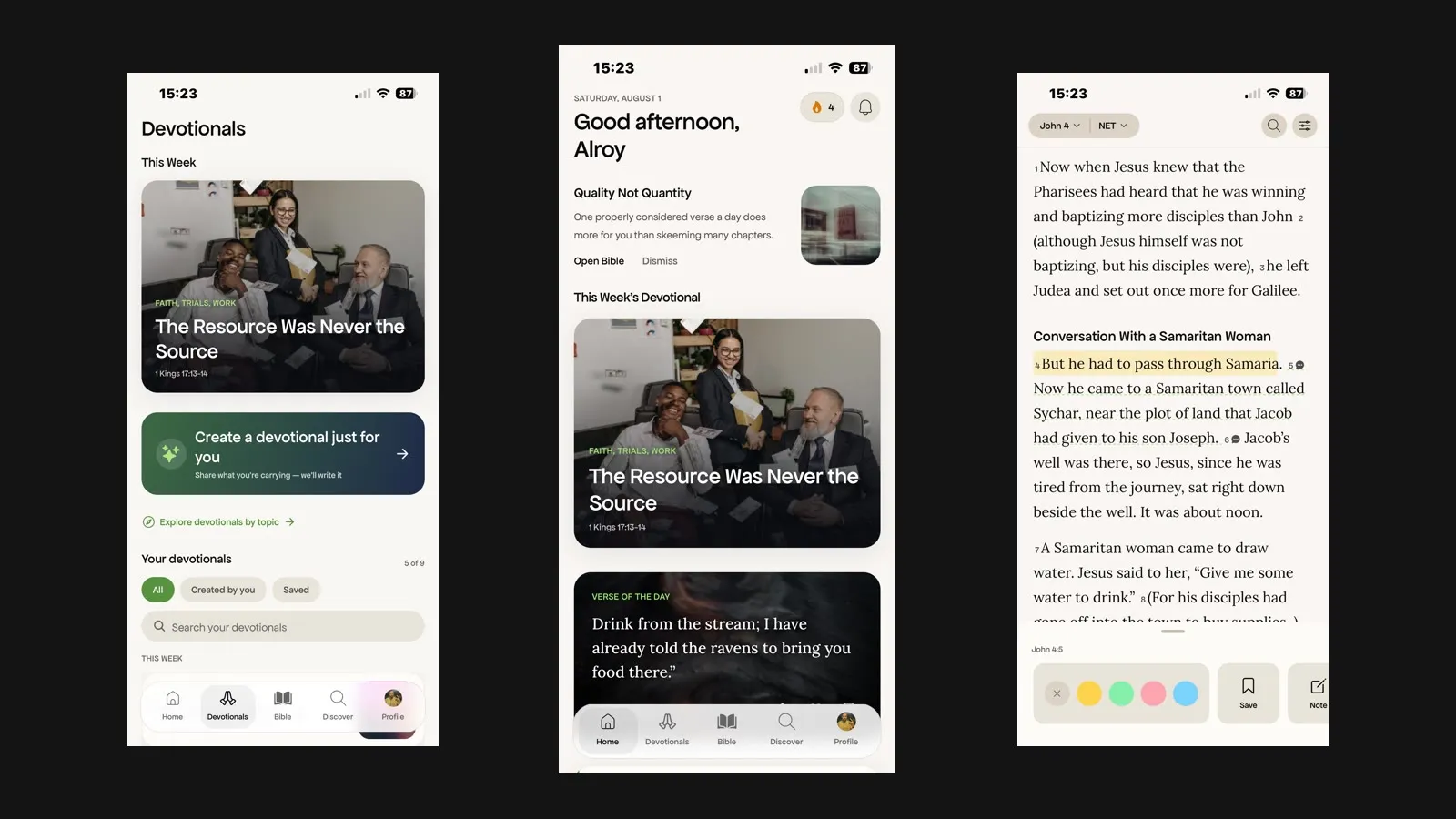
ISIT complements tradition rather than replacing it. It keeps the weekly devotional, the shared devotions and the whole Bible, then writes one for whatever you are actually carrying — and leans the home screen toward the themes you keep reading. No attention-chasing feed, no ads.
Personalisation with a safety net
Generated spiritual guidance has to carry authority without hallucinated certainty. Restraint is the feature, so a cheaper, edgier model was tested on the real prompt and turned down twice.
Nothing reaches a reader unverified. Every devotional is fact-checked against the live web first, and a verse's translation label only updates when the text was genuinely re-fetched in that translation. The bug that rule killed: NKJV wording published tagged “NET”.
Personalisation does not stop at the first devotional. The home screen keeps weighting what it shows toward the themes a reader finishes and the devotionals they have had written for them — their own reading, never an engagement signal.
Where the AI effort goes
Most AI products spend everything on generation. ISIT spends most of it checking that the generation told the truth.
| Stage | Share of effort | What changed |
|---|---|---|
| Writing | ~22% | The devotional itself, drafted from what you shared. |
| Verifying | ~77% | Live web-search fact-checking of every claim, before a reader ever sees it. |
| Reflecting | ~1% | The closing reflection pass. |
Verification is the one cost this product will not cut to protect a margin.